Finding Your Balance: What Can You Anticipate in Your Podiatric Specialist


The health of your feet is frequently ignored, yet it plays a critical role in our total well-being. Many people may not realize that a podiatrist, a doctor trained in diagnosing and treating foot and ankle issues, is an important resource for ensuring healthy feet. If you're dealing with persistent pain, sports injuries, or certain conditions like plantar fasciitis, knowing the right time and the best way to seek help from a podiatrist can make all the change in your movement and life quality.
In this article, we will investigate what to expect from your podiatrist, the positive aspects of regular visits, and the different treatments they deliver. From understanding the importance of foot care for seniors to learning how podiatrists handle complex surgeries, we aim to arm you with the information needed to focus on your foot health. We will also cover how to choose the right podiatrist for your needs and the latest advancements in podiatry that every patient should be informed about. Whether you're new to podiatric care or trying to gain to understand more about the services they supply, this guide is designed to assist you find your footing.
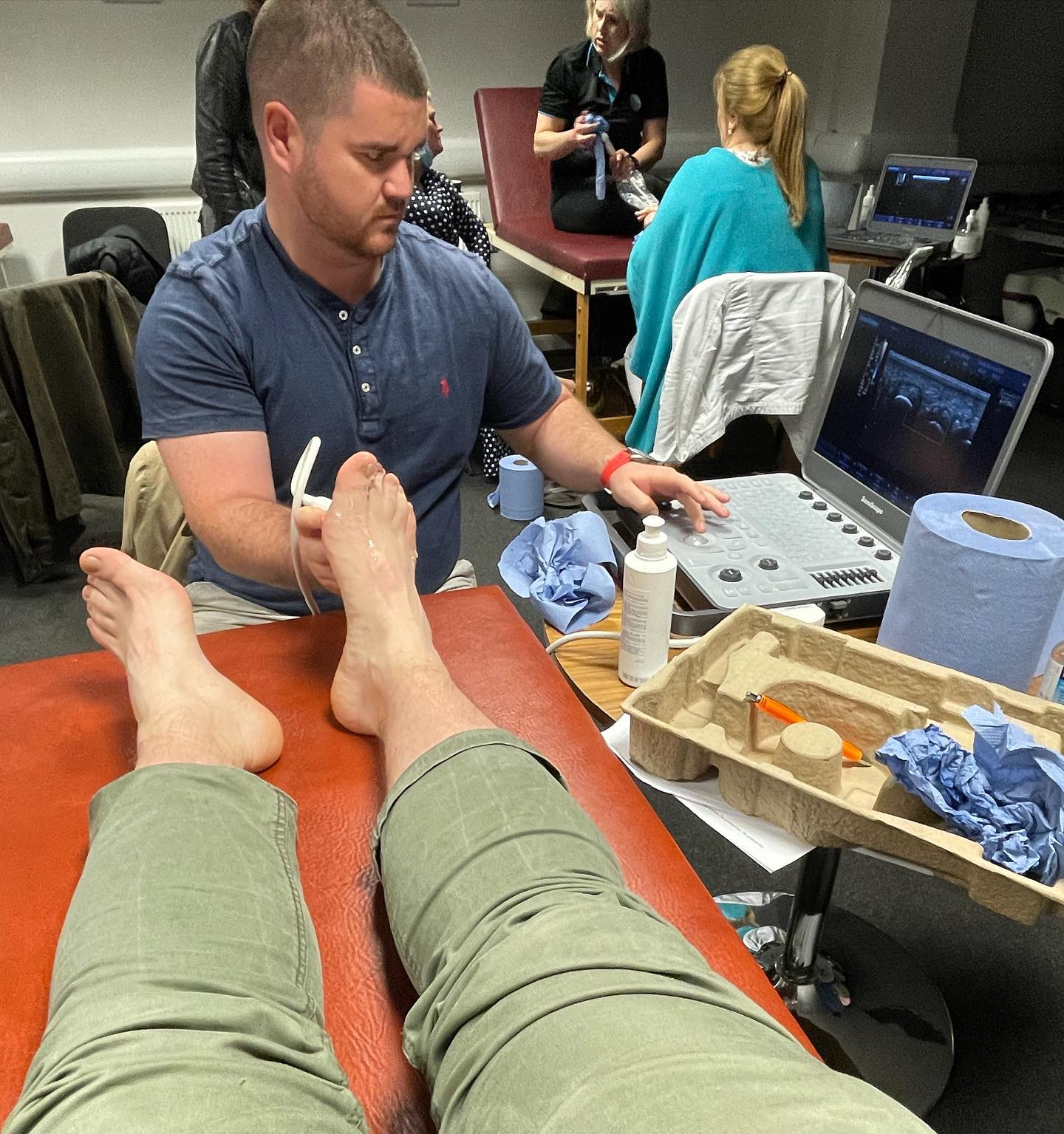
When is it time to visit a foot specialist
If you are dealing with ongoing foot aches, it is essential to see a podiatrist. This expert healthcare provider focuses on evaluating and addressing various foot conditions that may arise from daily movements, accidents, or preexisting health issues. Neglecting ongoing pain can lead to more serious complications, so it is wise to seek medical help if pain continues for longer than a few days or so or gets worse.
In addition to to pain, certain indicators such as edema, contusions, or issues on your feet may suggest the necessity for a podiatric knowledge. If you notice variations in the appearance of your feet, like discoloration, foot growths, or corns, a quick visit is essential. These signs can not only indicate ordinary foot problems but may also signal more severe health issues that require care.
Those with chronic conditions, such as sugar-related health problems, should be particularly careful about their foot well-being. Regular visits with a podiatrist can help keep an eye on any changes and stop complications like foot sores or ulcers. If you're doubtful whether your symptoms warrant a visit, be cautious and consult a foot specialist for assistance.
Benefits of Regular Podiatrist Visits
Going to a podiatrist consistently can substantially enhance your foot health and overall well-being. One of the primary benefits is preventive care and timely identification of potential issues. Conditions such as hallux valgus, corns, and fungal infections can escalate if not managed swiftly. Frequent check-ups allow the podiatrist to track any changes, providing prompt interventions to prevent more serious complications down the line.
Another benefit of consistent visits is the individualized treatment and management plans designed to your specific needs. Podiatrists are well-equipped to address a variety of concerns, from routine foot care to enhanced treatment options. This personalized approach ensures that you receive the right guidance on maintaining healthy feet, including appropriate exercises, custom orthotics, and preventative measures that align with your lifestyle and exercise habits.
Regular consultations with your podiatrist also promote better understanding and education regarding foot health. Podiatrists can provide valuable insights into how your feet relate to your overall health, helping you make knowledgeable decisions about proper footgear and routines. Being podiatrist doctor near me of the common foot problems and their relationship to other health conditions empowers you to take steps and focus on your foot care, creating a path for a better life.
Frequent Feet Problems and Solutions
Foot issues can vary greatly, but some of the most typical problems people face include plantar fasciitis, bunions that form at the base of the big toe, and heel spurs that are often linked to plantar fasciitis. Plantar fasciitis, characterized by ongoing pain in the heel, is often treated with a combination of rest, stretching routines, and bespoke orthotic solutions. A podiatrist can develop orthotics to help ease pressure on the plantar fascia and provide support for the natural arch, promoting healing and ease.
Bunions, which are growths at the beginning of the big toe, can result in discomfort and trouble in finding suitable foot gear. Treatment options may cover changes in daily habits such as wearing wider shoes, using padding, and in some cases, surgery. A podiatrist can examine the extent of the problem and advise on the best course of action to alleviate pain and prevent further advancement of the condition.
Heel spurs, often linked to plantar fasciitis, occur when bony growths form on the bottom of the heel. Treatments can vary from rehabilitation to manage pain and inflammation, to corticosteroid injections for more extreme cases. In lasting podiatrist doctor near me , operations may be explored. Podiatrist doctors play a key role in diagnosing these issues and implementing appropriate treatment strategies adapted to each patient's needs.